Balance and fall prevention training
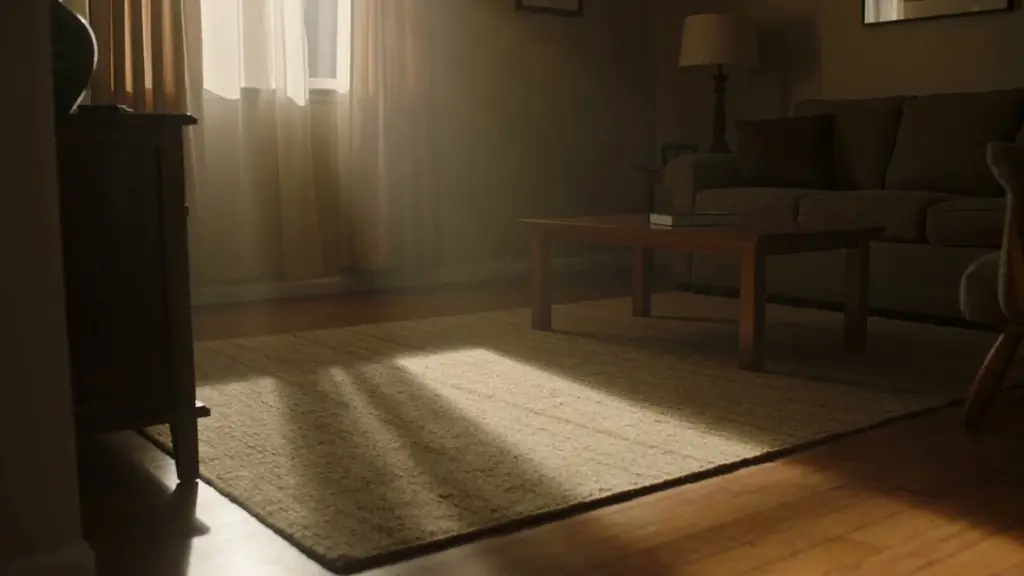
Working directly against the surfaces you actually stand on: the rug that bunches slightly by the couch, the step down into the kitchen, the spot in the hallway with nothing to hold onto.
Brain, spinal cord and nerves
Kirby Physical Therapy provides personalized treatment plans designed to help patients improve mobility, regain independence and enhance their quality of life. Jennifer Kirby, PT, DPT uses evidence-based techniques to address strength, flexibility, balance and motor control, focused on each patient's specific challenges and goals.
Conditions treated
These are treated as physical therapy support for an existing diagnosis, alongside your physician, never in place of one.
How physical therapy helps
Working directly against the surfaces you actually stand on: the rug that bunches slightly by the couch, the step down into the kitchen, the spot in the hallway with nothing to hold onto.
Rebuilding a walking pattern on your own floor, in your own footwear, over the exact thresholds and doorframes you cross every day.
Targeted work for the muscles and movement patterns a neurological condition affects most, built around what your body can do that week.
Practicing the actual tasks a day requires, standing up from a chair, turning in a hallway, reaching into a cabinet, not a generic exercise that only resembles them.
Retraining how the nervous system and the muscles communicate, so movement that has become effortful or unreliable has a chance to become more automatic again.
Where balance and gait work actually belongs
Balance training in a clinic corridor is even, well lit, and clear of everything a fall actually happens near. Your house has a rug that bunches by the couch, a step down into the kitchen, a doorway sill you catch a foot on when you're tired. Gait training is only as useful as the ground it happens on, and for someone managing a neurological condition, the ground that matters is the one under their own feet, every day, whether or not anyone is there to watch. Practicing on that ground, with Jennifer beside you instead of a stranger's hallway ahead of you, is not a nicety. It is the only place the training actually transfers from.
Getting to a clinic at all can be its own obstacle when balance or coordination is already the problem being treated. A house call removes that obstacle before the session even starts.
Related reading
Retraining how nerves and muscles communicate is neuromuscular re-education, and rebuilding a functional task from balance, strength and range of motion together is therapeutic activities. No referral is required in Wisconsin to start the conversation.