Why Balance Training Works Better on Your Own Stairs
The safest place to practice balance after a stroke, surgery, or a neurological diagnosis is the same place you have to live in afterward.
September 1, 2026 · 2 min read
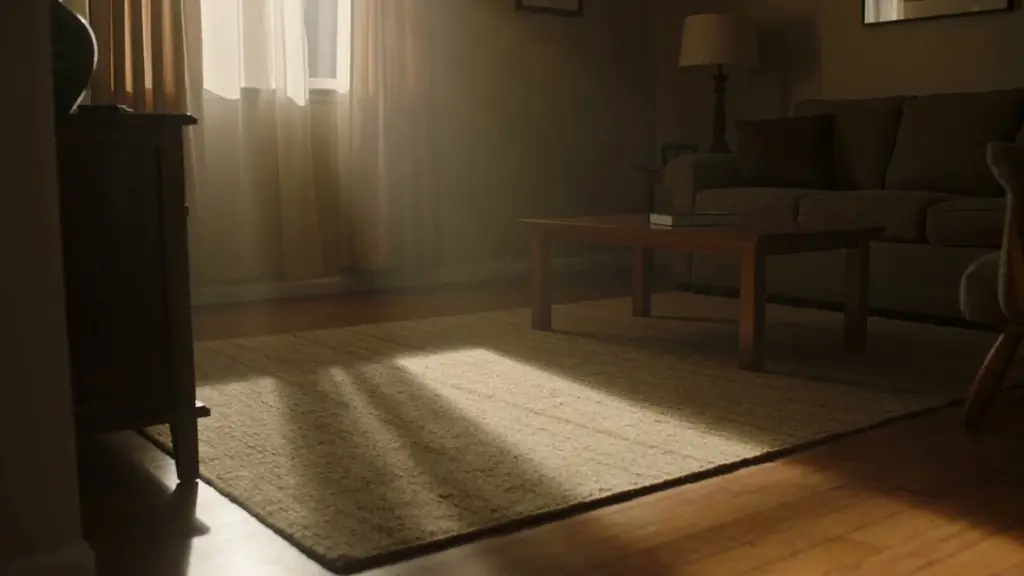
A hospital gym does a good job of building basic strength and coordination back after a stroke, a surgery, or a new neurological diagnosis. What it can't do is turn into your own kitchen, your own front steps, or the narrow bathroom doorway you have to get through every single day. That gap, between where recovery happens and where you have to use it, is the real argument for physical therapy that happens in your home instead of a clinic.
A clinic gym and your house are not the same terrain
Parallel bars, foam balance pads, and a flat, well-lit treadmill are useful tools, but none of them are the environment you're being rehabilitated to handle. Your house has a specific stair riser height that's different from the clinic's practice steps. It has a bathroom threshold that catches a dragging foot, a hallway that's narrower than any aisle in a gym, and a couch or recliner with its own particular height and give. A balance program that only ever gets tested on rubber gym flooring hasn't been tested against the place where a fall would happen.
The hazards worth training around
Falls at home tend to come from a small, predictable set of hazards: a loose throw rug that catches a foot, a dim stairwell that hides the last step, a slick bath mat, a cord running across a hallway, furniture positioned close enough to clip a hip on the way past. None of those show up in a clinic gym, because a clinic gym has been deliberately cleared of them. Training around the real hazards in your own house, instead of a simplified stand-in for them, means the skills you build get used in the conditions where a fall is most likely.
Why this matters most after a stroke, surgery, or a neurological diagnosis
Practicing on the terrain you have to live on
The real goal is independence
The point of all of this isn't to score well on a clinic assessment. It's to move through your own home safely enough that you don't need someone standing next to you every time you get up. That's the outcome neurological and post-surgical rehabilitation are aiming at: improved mobility, regained independence, and a quality of life that isn't shaped around fear of the next fall. Training in the place where that fear lives, on your own stairs and around your own furniture, gets you there faster than training somewhere that doesn't resemble your life at all.
Conditions this applies to
Home-based physical therapy for balance and neurological recovery applies to a wide range of diagnoses, including:
More articles
Kirby Physical Therapy — (715) 450-5001
Call (715) 450-5001More articles
Dry Needling, Explained by a Certified Master Practitioner
A plain-language look at dry needling, one of Jennifer Kirby's specific certifications, and how it fits into a home-based treatment plan.
The Injuries That Only Happen to Growing Athletes
Five overuse injuries specific to still-growing bodies, and what to watch for before a nagging ache turns into an ER visit.