What a Home Visit From Kirby Physical Therapy Actually Looks Like
Jennifer Kirby brings the evaluation, the hands-on work, and the exercises to your own living room instead of a clinic waiting room.
September 1, 2026 · 3 min read
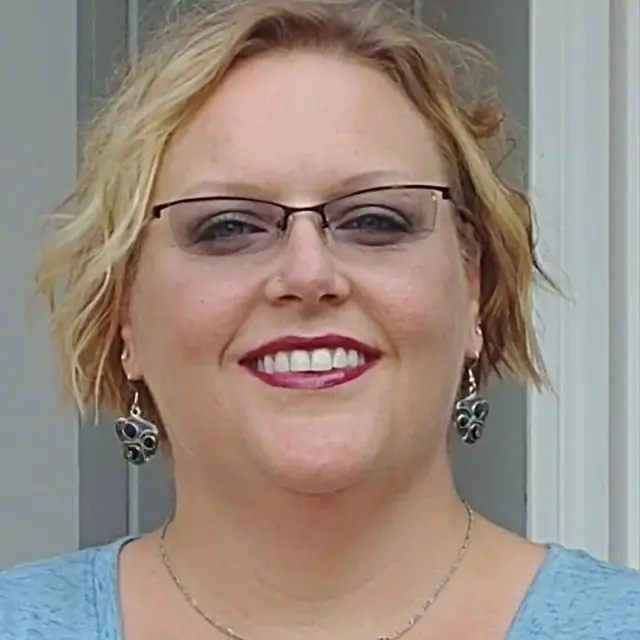
Most people have never had a physical therapist walk into their living room with a treatment bag instead of a waiting room clipboard. If you're weighing whether to call Kirby Physical Therapy, it helps to know exactly what happens once Jennifer Kirby, PT, DPT knocks on your door.
The evaluation comes first, before any hands-on work
Every visit starts the same way a clinic visit would: with questions, not exercises. During your initial evaluation, Jennifer asks about your condition, your previous level of function, and how your present condition actually affects the way you live day to day. That last part matters more than it sounds. A sore shoulder that keeps a retired woodworker off his lathe is a different problem than the same sore shoulder in someone who just wants to reach the top shelf without wincing. The evaluation is what lets her build a treatment plan suited to your actual life, not a generic protocol pulled off a shelf.
Your own house becomes the treatment room
This is where a mobile practice diverges from a clinic visit in a way that's easy to underestimate until you've experienced it. One patient, Laura Bertram, described it well in her own review: Jennifer uses things already around the house for treatment, and looks at how the patient actually sits on their own couch, at their own desk. A clinic visit gives a therapist a generic exam table and a set of standard equipment. A home visit gives her the actual recliner you sit in every evening, the actual stairs you climb, the actual desk chair that's been quietly wrecking your lower back for two years.
That's a real clinical advantage, not just a convenience. Posture and movement habits show up differently in a familiar setting than they do under fluorescent lights in a short clinic slot. A therapist who can watch you reach for your own kitchen cabinet learns something a standardized reach test won't tell her.
What the session itself includes
How this differs, honestly, from a clinic visit
It would be dishonest to pretend a home visit is simply a clinic visit with better parking. There's no hydrotherapy pool, no bank of resistance machines, no in-house imaging. What you get instead is more time, more attention, and treatment shaped around the exact place you'll actually be doing your recovery. For anyone who finds getting to appointments genuinely hard, that trade is a clear win. For others, it's simply a different way to get the same clinical work done, minus the drive and the waiting room.
Several patients have made the same point in their own words: it's valuable for a busy schedule, and it's valuable for someone who has a hard time getting to an office at all, an older adult, someone recovering from surgery, or a parent who can't easily arrange childcare for a clinic appointment.
What follow-up visits build on
The first evaluation sets the direction, but the visits after it are where the actual recovery happens. Follow-up treatment is built around preserving, restoring, or improving your movement, using therapeutic exercise alongside physical modalities like massage, patient education you can use on your own, and training in the movements that matter for your specific daily life. If a walker or a brace is part of the picture, that gets worked into the plan too. None of that changes because the visit happens in your kitchen instead of a clinic gym. What changes is that the exercises get built around equipment and spaces you actually have, so the plan is something you'll realistically keep doing between visits.
Kirby Physical Therapy — (715) 450-5001
Call (715) 450-5001More articles
Why Balance Training Works Better on Your Own Stairs
The safest place to practice balance after a stroke, surgery, or a neurological diagnosis is the same place you have to live in afterward.
Dry Needling, Explained by a Certified Master Practitioner
A plain-language look at dry needling, one of Jennifer Kirby's specific certifications, and how it fits into a home-based treatment plan.